Virtuoso School Of Music and Art
17232 Lancaster hwy. STE 108 Charlotte NC

School office:
School Director:
Virtuoso School Of Music and Art
17232 Lancaster hwy. STE 108 Charlotte NC
School office:
School Director:
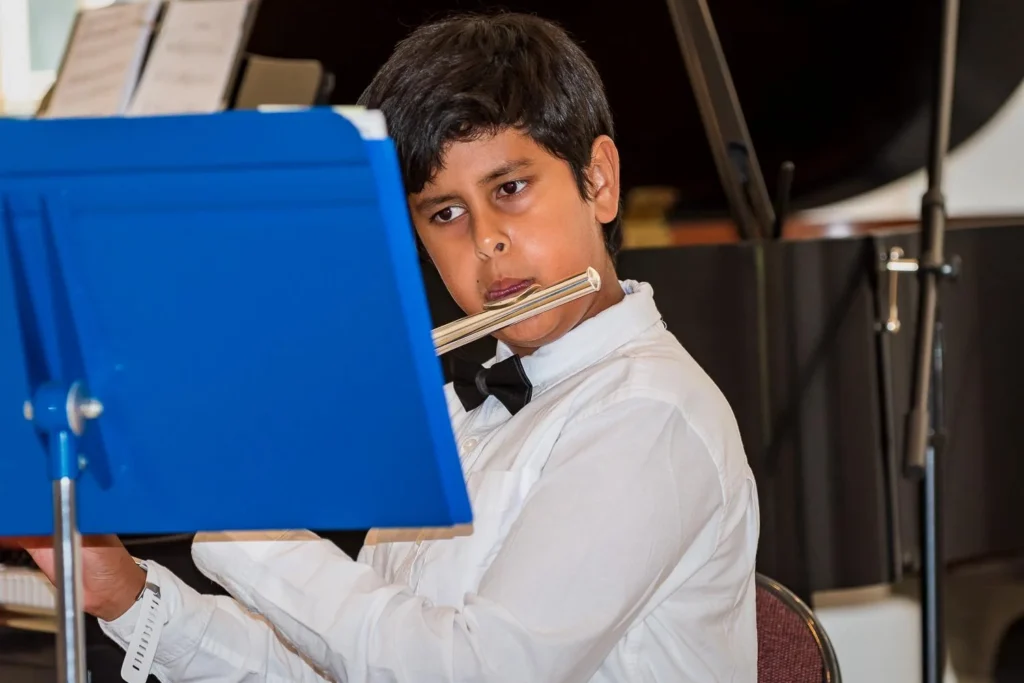
Master professional clarinet maintenance techniques. Learn daily cleaning routines, seasonal care strategies, storage solutions, troubleshooting, and expert tips for musicians of all skill levels.
A piano is far more than a musical instrument — it is a marvel of engineering, comprising approximately 12,000 individual parts working in concert to produce the rich, resonant tones that have captivated audiences for centuries. Whether you own a stately grand piano that commands the center of your living room or a reliable upright that has faithfully accompanied your family through generations, proper care and maintenance are essential to preserving its sound quality, playability, and value.
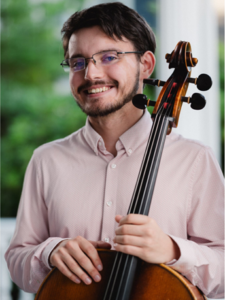
The viola occupies a unique and irreplaceable voice in the string family — warmer and deeper than the violin, more agile and lyrical than the cello. Its rich, burnished tone has captivated composers from Mozart and Brahms to Bartók and Hindemith, and today the viola enjoys a renaissance of appreciation both as a solo instrument and as the harmonic backbone of chamber and orchestral music.
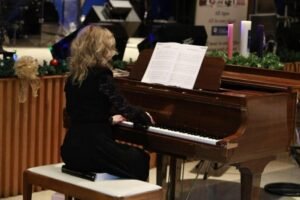
A piano is far more than a musical instrument — it is a marvel of engineering, comprising approximately 12,000 individual parts working in concert to produce the rich, resonant tones that have captivated audiences for centuries. Whether you own a stately grand piano that commands the center of your living room or a reliable upright that has faithfully accompanied your family through generations, proper care and maintenance are essential to preserving its sound quality, playability, and value.

Master saxophone maintenance and care techniques. Complete guide covering daily cleaning, reed care, seasonal adjustments, storage, troubleshooting, and professional repairs for all skill levels.
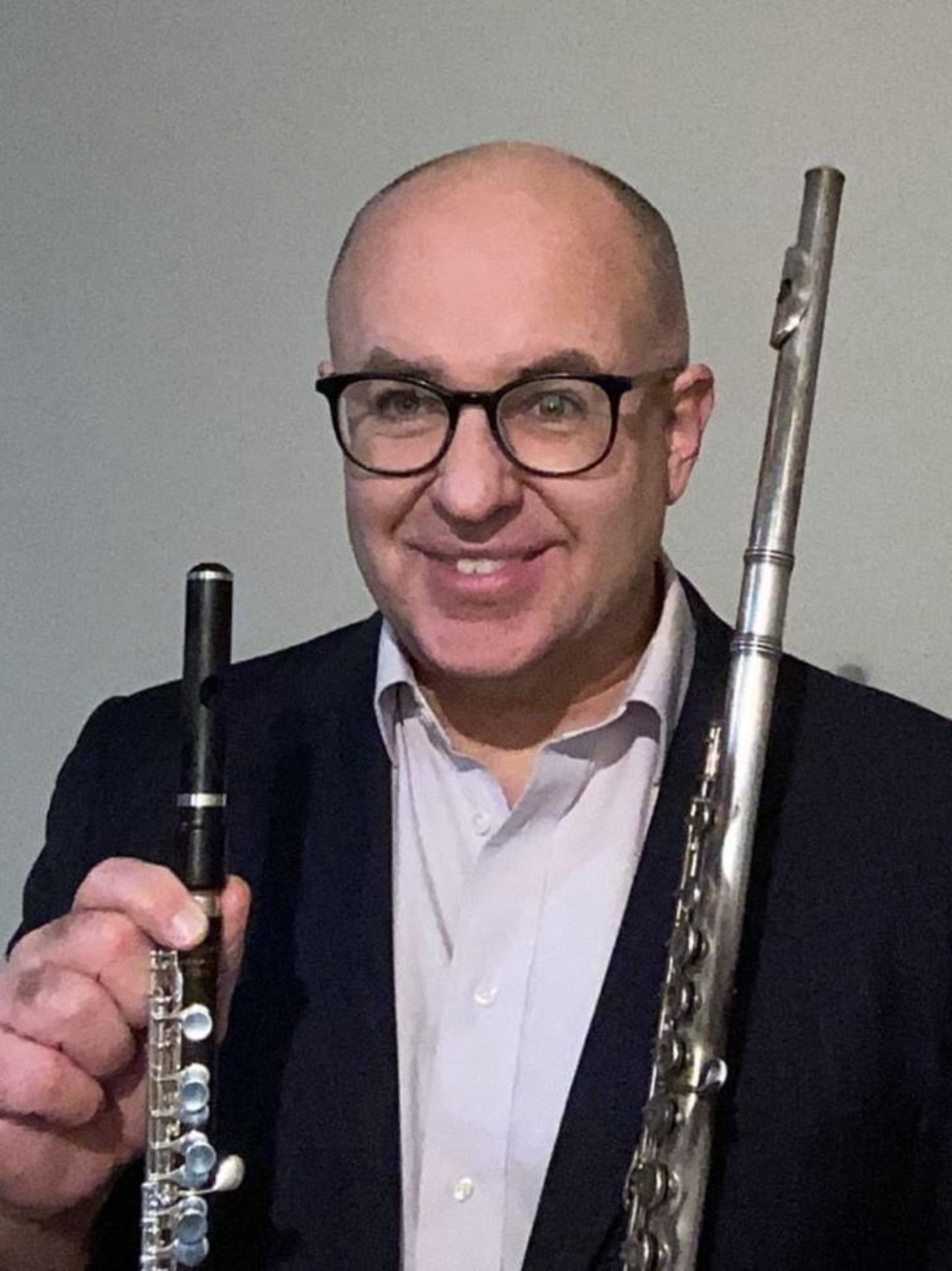
Master flute maintenance and care techniques. Complete guide covering daily cleaning, seasonal adjustments, storage, troubleshooting, and professional repairs for all skill levels.
Learn professional clarinet care techniques. Complete maintenance guide covering daily cleaning, seasonal adjustments, winter storage, and troubleshooting for all player levels.

Spring is here, and it’s the perfect time for your kids to explore their artistic and musical talents! Join us for our special Easter-themed music, dance, and art lessons!

Unleash your imagination, explore various mediums, and let our expert instructors guide you on a visual journey of self-expression.
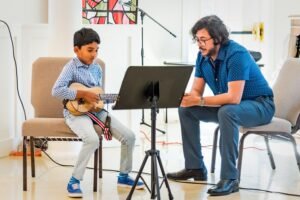
Music training ,music lessons has a remarkable impact on the anatomical level of the developing brain in children. Research has shown that engaging in musical activities at a young age can lead to significant structural changes, shaping the brain in unique and beneficial ways

Music lessons, Dance lessons, Art class! Home Music lessons, Dance lessons, Art class 🎸We strongly believe that Music, Art, and Dance classes are more than just hobbies – they are essential for your child's growth and development.🎶By continuing your child's…
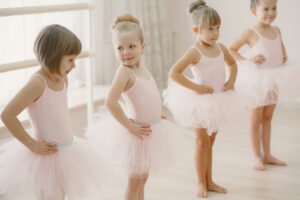
Dance class for kids! Home Lessons Dance Lessons Dance Class for Kids https://virtuososchoolofmusicandart.com/wp-content/uploads/2023/11/Видео-WhatsApp-2023-11-25-в-14.59.04_03f6c45b.mp4💃Dance class is a form of artistic expression involving rhythmic movement of the body. It can take various forms, such as ballet, hip-hop, salsa, or contemporary dance.🕺The benefits…

Art class! Home Art class https://virtuososchoolofmusicandart.com/wp-content/uploads/2023/11/Видео-WhatsApp-2023-11-25-в-14.49.19_c9b9a169.mp4🎨Art class for kids is a wonderful opportunity for young minds to explore their creativity and express themselves through various artistic mediums. It can encompass a wide range of activities such as painting, drawing, sculpting,…

Awarded as one of the best schools in Charlotte, NC

Exam preparation for Trinity College London and ABRSM

Music, Dance, and Art lessons all in one place

University-trained teachers with degrees only

Exclusive to our school: patented program School Of Little Talents

Preparation for future studies at Universities and Conservatories
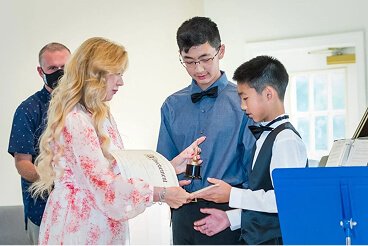
Welcome to Virtuoso School of Music and Art, where excellence meets convenience! We take pride in offering our clients exceptional value and a unique experience that sets us apart from our competitors.
At Virtuoso School, we understand that your time is valuable. That’s why we provide a comprehensive range of lessons All in One Place. From Music lessons to Dance classes in various genres, Art classes, and our exclusive, patented program: SCHOOL OF LITTLE TALENTS for children aged 4-7, we offer a diverse selection of artistic disciplines. By choosing Virtuoso School, you can save time and effort by taking multiple lessons under the same roof
What truly distinguishes us is our commitment to professionalism. We believe in the importance of qualified instructors who hold relevant education and diplomas. That’s why at Virtuoso School, you can trust that you are learning from experienced professionals who are passionate about their craft. Our instructors bring their expertise and knowledge to each lesson, ensuring that you receive the highest quality instruction
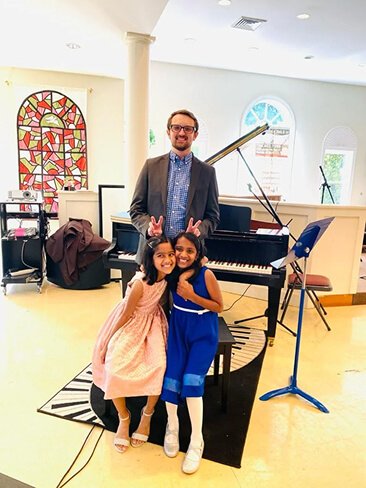
Our School of Little Talents program is designed to ignite and nurture the artistic abilities of young children. With engaging activities and age-appropriate lessons, we provide a supportive environment for their creative growth. Our qualified instructors understand the unique needs of young learners and are dedicated to helping them develop their talents from an early age
ONLY University-Trained Teachers with Degrees
Specific curriculum
Piano, guitar, violin and other instrument classes
Dance and Art classes
Small Dance and Art classes sizes
Private and Group classes
Preparation for future studying at Universities and Conservatories
Exem Preparation – Trinity College London and ABRSM
Individual approach for every student
Patented Program: School of Little Talents
Semi-annual School Recitals
A variety of lessons and classes,All in one Place!
You will be taught by experienced, dedicated and, what is most important, patient tutors holding classes with enthusiasm and fun. You will find a great number of classes such as Music lessons, Dance classes, Art classes, unique program School of Little Talents, Music Theater, Preschool programand more others. You can book any classes you like easily according to your choice saving money and time! You will attend all year-round performances including class recital, semiannual school recitals, competitions, children’s festivals and other amusing events.
What is more, every single family gets a bonus upon registration – a Music Parent Handbook with all detailed information about our school programs!
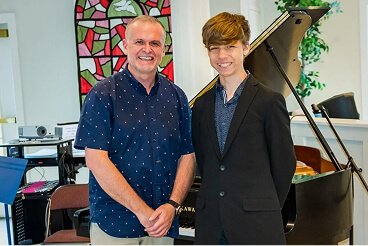
Join us at Virtuoso School of Music and Art and experience the convenience of taking multiple lessons in one place, while receiving instruction from highly qualified professionals. Let us be your partner on your artistic journey, helping you unlock your full potential and discover the joy of self-expression.
Contact us today to learn more about our programs and start your artistic adventure with Virtuoso School.
Sign up