Virtuoso School Of Music and Art
17232 Lancaster hwy. STE 108 Charlotte NC
School office:
School Director:
Ages 6+
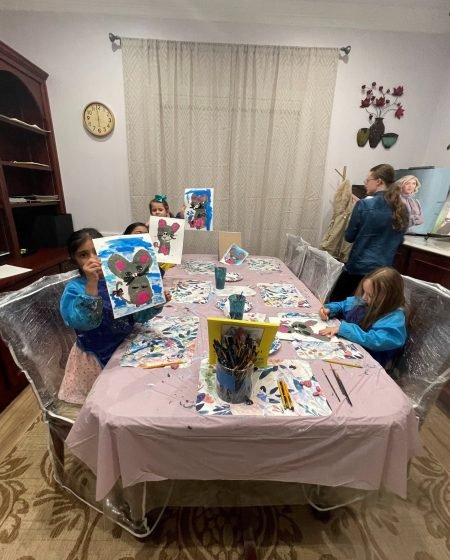
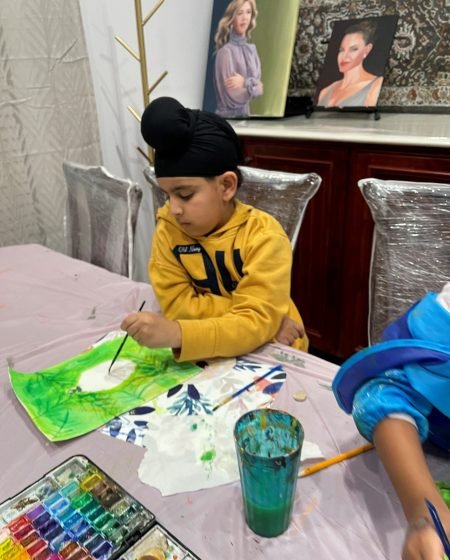
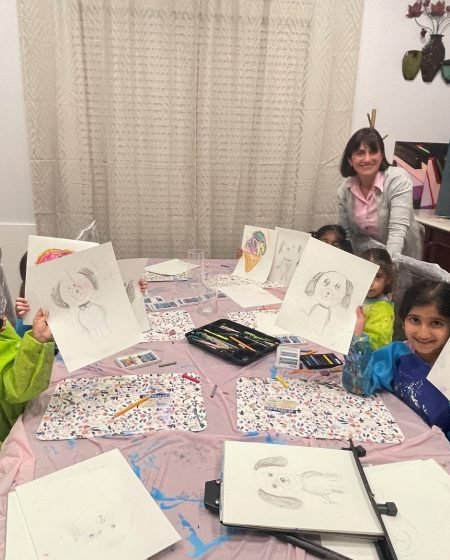
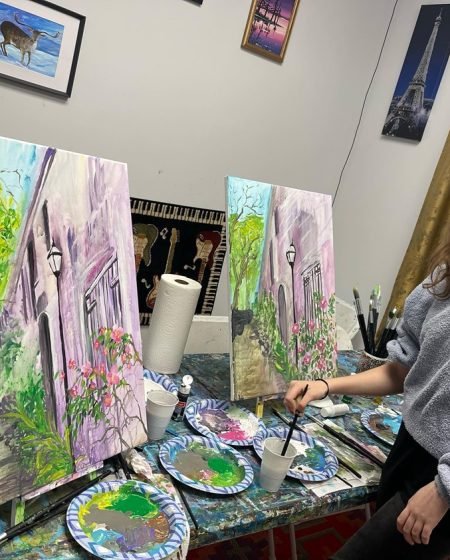
Art is the window to the soul, a place where words are not needed. At Virtuoso School of Music and Art, our art program is a creative sanctuary for people of all ages. We believe that everyone has an artist inside them, waiting for the right tools to express their vision. Our classes in Charlotte are designed to be inspiring, relaxing, and deeply educational.
Whether you are a professional looking to sharpen your skills or a beginner who hasn’t held a brush since childhood, we welcome you. Our studio is a space of “no judgment,” only discovery. We cover everything from the basic laws of composition to the fine details of light and shadow. Here, you aren’t just taking a class; you are joining a community of creators. Step away from the noise of the world and find your peace at the easel.
Awarded as one of the best schools in Charlotte, NC
Exam preparation for Trinity College London and ABRSM
Music, Dance, and Art lessons all in one place
University-trained teachers with degrees only
Exclusive to our school: patented program School Of Little Talents
Preparation for future studies at Universities and Conservatories
How to learn drawing easy?
Start with basic shapes (circles, squares, triangles) and combine them to create objects. Practice drawing lines, curves, and basic forms. Copy simple images you like. Learn basic shading with pencil using light and dark values. Don't worry about perfection - focus on observation and practice. Use beginner tutorials and exercises. Draw for a few minutes daily. Everyone can learn to draw with practice - it's a skill developed through observation and repetition, not innate talent.
How to learn drawing for beginners?
Begin with essential supplies: pencils (HB, 2B, 4B), eraser, and sketchbook. Learn to hold your pencil correctly for different effects. Practice basic shapes, lines, and shading. Draw from observation, starting with simple objects. Learn proportion and perspective basics. Study light and shadow. Copy drawings you admire to understand technique. Be patient with your progress and practice regularly. Our Charlotte art classes provide structured beginner drawing instruction with supportive feedback.
How to learn drawing anime?
Start by studying anime proportions, which differ from realistic drawing - larger eyes, smaller noses, simplified features. Learn basic head shapes and facial feature placement. Practice drawing eyes, hair, and expressions in anime style. Study different anime art styles to find your preference. Use reference images and tutorials. Practice body proportions and poses. Draw characters you love. While anime has stylistic conventions, understanding basic drawing fundamentals improves your anime art significantly.
How to learn drawing for kids?
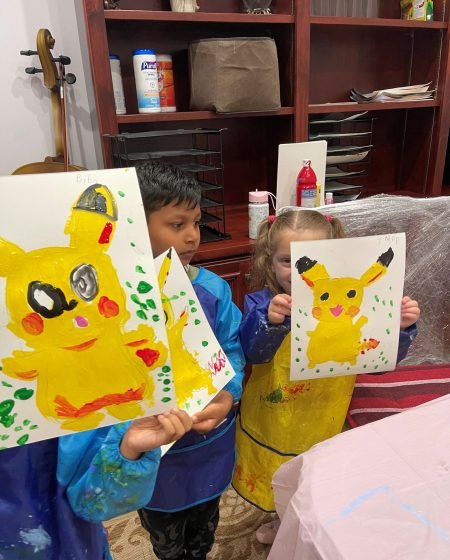
Encourage kids to draw freely and expressively without worrying about realism. Provide various materials (crayons, markers, colored pencils). Teach basic shapes and how to combine them. Use fun subjects they're interested in - animals, cartoons, vehicles. Praise effort and creativity rather than just results. Make drawing a regular, enjoyable activity. Teach observation skills by drawing from life. Our Charlotte children's art classes make learning drawing fun while building fundamental skills.
How to learn to draw with pencil?
Start with a range of pencil grades (H for hard/light, B for soft/dark). Learn basic techniques: hatching, cross-hatching, blending, and stippling for different effects. Practice controlling pressure for value variation. Draw simple shapes with shading to understand form. Learn to observe light sources and create shadows. Practice gesture drawing and contour drawing. Regular pencil drawing practice develops fine motor control and observational skills essential for all art forms.
How to learn to draw with Procreate?
Procreate is a powerful iPad drawing app. Start by learning the interface, brush options, and layer system. Practice basic digital techniques like using layers, opacity settings, and blend modes. Use the undo gesture and transform tools. Follow Procreate-specific tutorials. While digital, the same drawing fundamentals apply - observation, proportion, value, and composition. Digital art offers flexibility with easy corrections and unlimited experimentation without material costs.
How to learn to draw with charcoal?
Charcoal creates dramatic, expressive drawings with rich blacks and soft gradations. Start with vine charcoal (easier to erase) before compressed charcoal (darker, more permanent). Learn to blend with fingers, cloths, or blending stumps. Practice creating values from light to dark. Use erasers for highlights. Charcoal is messy but forgiving - you can wipe away and rework areas. It's excellent for loose, expressive work and learning value relationships quickly.
How to learn to draw with iPad and Apple Pencil?
The iPad with Apple Pencil offers responsive, pressure-sensitive drawing similar to traditional media. Download drawing apps like Procreate, Adobe Fresco, or Concepts. Learn digital-specific techniques: layers, brushes, transformations, and shortcuts. The Apple Pencil allows for natural drawing movements with tilt and pressure sensitivity. Practice regularly just as with traditional media. While the tools are digital, fundamental drawing skills still apply. Consider palm rejection settings and screen protectors for better drawing experience.
How to learn to draw with pen?
Pen drawing requires commitment since you can't erase (with most pens). Start with fineliner pens or ballpoint pens. Learn hatching, cross-hatching, stippling, and contour techniques for creating values and textures. Practice line weight variation by changing pressure. Pen drawing develops confidence and decisive mark-making. Accept "mistakes" as part of your drawing's character. Pen and ink creates bold, graphic images excellent for developing observational skills and line quality.
How to learn to draw with AI?
AI art tools like Midjourney, DALL-E, or Stable Diffusion generate images from text prompts but don't teach traditional drawing skills. However, you can use AI to generate reference images, explore composition ideas, or create bases to draw over. True drawing skill comes from understanding form, perspective, value, and developing hand-eye coordination - things AI can't teach. Use AI as a tool alongside traditional learning, not as a replacement for skill development.
How to learn to draw with a mouse?
Drawing with a computer mouse is challenging due to lack of pressure sensitivity and precision. Use vector programs like Inkscape or Illustrator for smoother lines. Practice creating shapes and using bezier curves. Work at high zoom levels for detailed areas. Consider this a stepping stone to a drawing tablet. While possible, mouse drawing is limited compared to pen tablets or touchscreens. For serious digital art, invest in a drawing tablet or stylus device.