Virtuoso School Of Music and Art

17232 Lancaster hwy. STE 108 Charlotte NC

School office:

School Director:
Book Your Trial Lesson

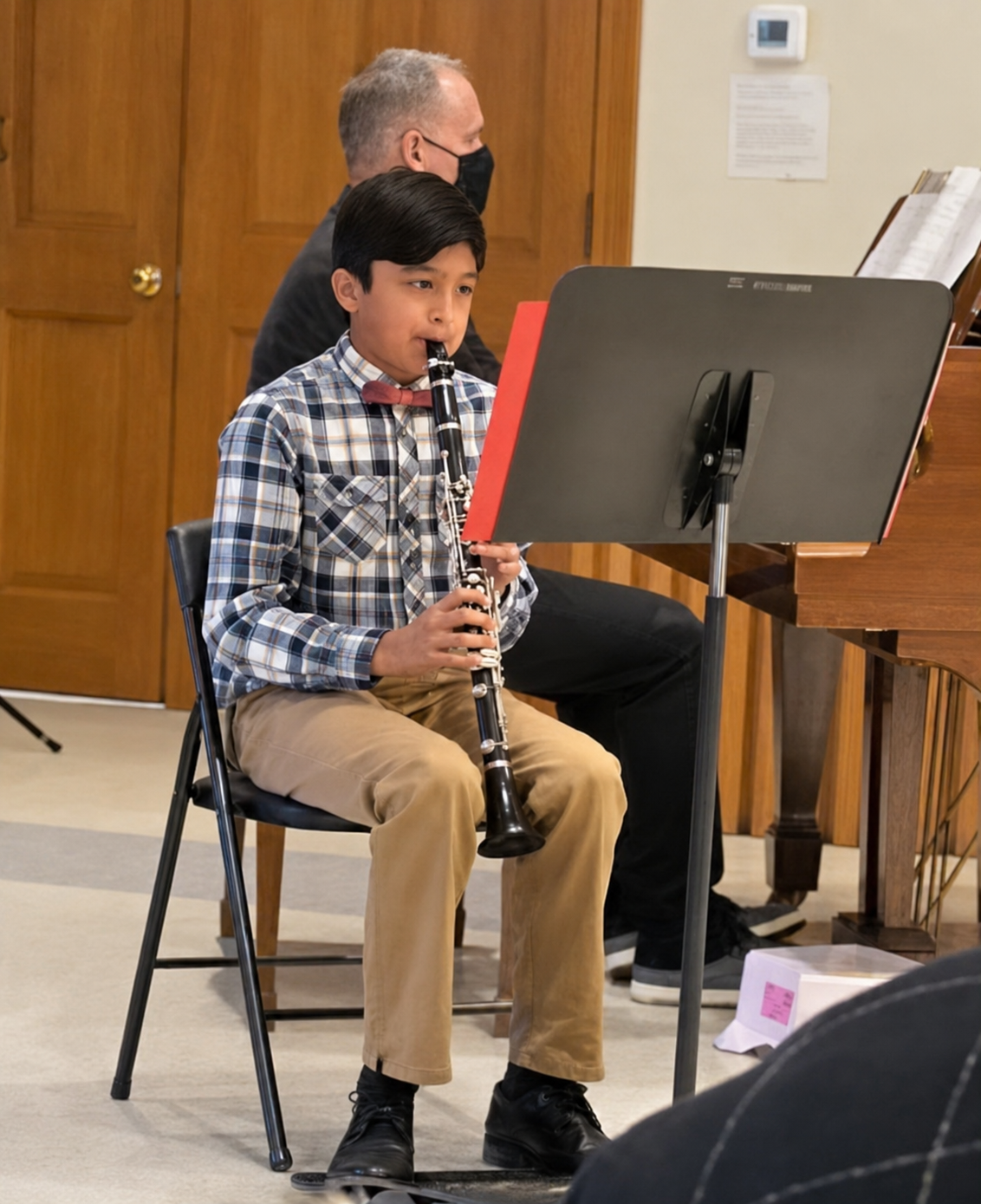
CLARINET LESSONS

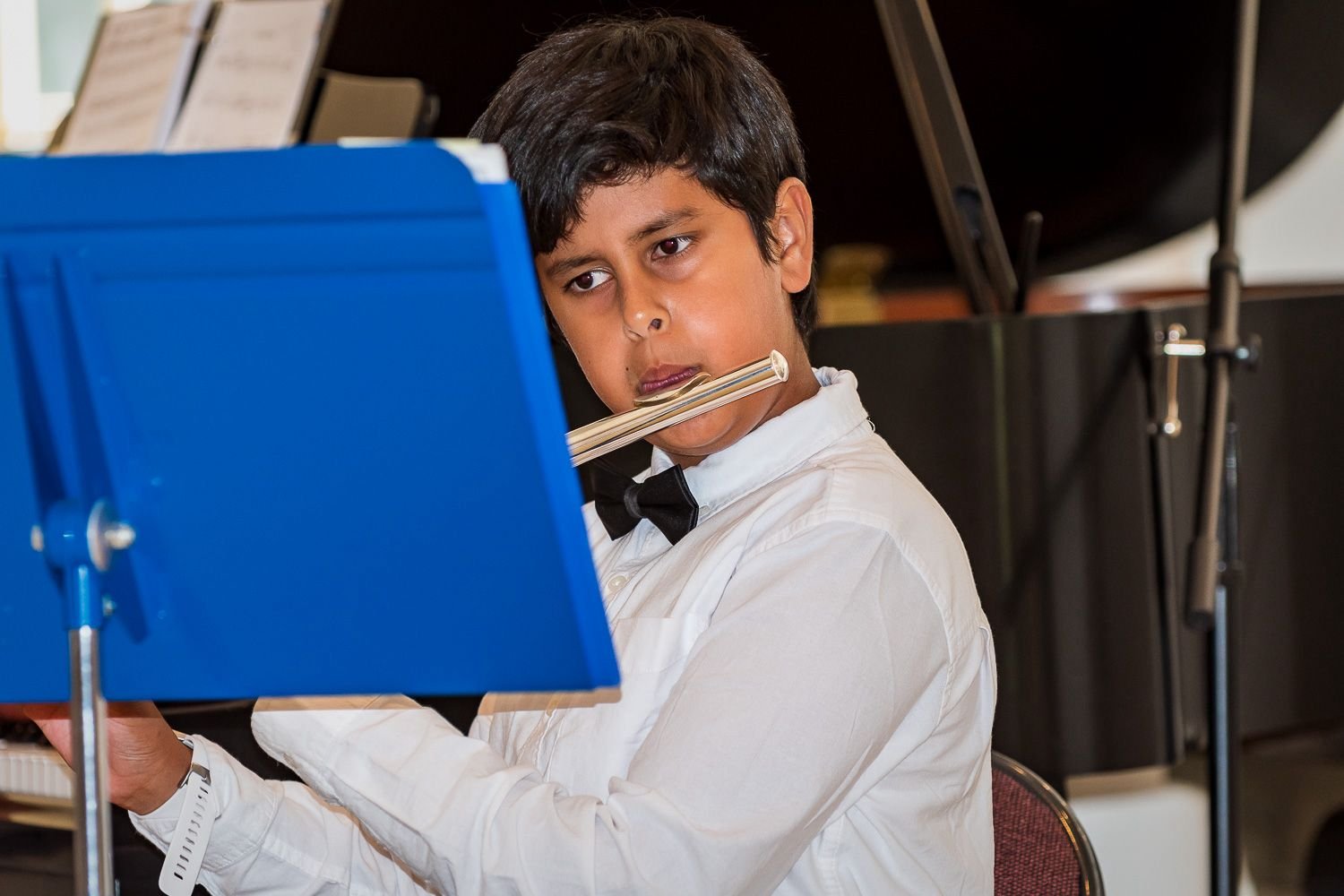
Flute lessons for kids
Lorem ipsum dolor sit amet, consectetuer adipiscing elit. Aenean commodo ligula eget dolor. Aenean massa. Cum sociis natoque penatibus et magnis dis parturient montes, nascetur ridiculus mus. Donec quam felis, ultricies nec, pellentesque eu, pretium quis, sem. Nulla consequat massa quis enim. Donec pede justo, fringilla vel, aliquet nec, vulputate eget, arcu. In enim justo, rhoncus ut, imperdiet a, venenatis vitae, justo. Nullam dictum felis eu pede mollis pretium. Integer tincidunt. Cras dapibus. Vivamus elementum semper nisi. Aenean vulputate eleifend tellus. Aenean leo ligula, porttitor eu, consequat vitae, eleifend ac, enim. Aliquam lorem ante, dapibus in, viverra quis, feugiat a, tellus. Phasellus viverra nulla ut metus varius laoreet. Quisque rutrum. Aenean imperdiet. Etiam ultricies nisi vel augue. Curabitur ullamcorper ultricies nisi. Nam eget dui. Etiam rhoncus. Maecenas tempus, tellus eget condimentum rhoncus, sem quam semper libero, sit amet adipiscing sem neque sed ipsum. Nam quam nunc, blandit vel, luctus pulvinar, hendrerit id, lorem. Maecenas nec odio et ante tincidunt tempus. Donec vitae sapien ut libero venenatis faucibus. Nullam quis ante. Etiam sit amet orci eget eros faucibus tincidunt. Duis leo. Sed fringilla mauris sit amet nibh. Donec sodales sagittis magna. Sed consequat, leo eget bibendum sodales, augue velit cursus nunc, quis gravida magna mi a libero. Fusce vulputate eleifend sapien. Vestibulum purus quam, scelerisque ut, mollis sed, nonummy id, met

OUR CLARINET LESSONS TEACHERS

Comprehensive Guide to Clarinet Care and Maintenance

  • 10 comprehensive sections
  • Seasonal care (winter & summer focus)
  • 7 reference tables + 4 diagrams
  • Practical daily/weekly checklists
Read the Complete Guide
~5,050 words • 15–20 min read • For all skill levels
Clarinet Guide

Beginner’s questions

How to play clarinet for beginners?

Start with proper assembly, including correct mouthpiece and reed placement. Form the correct embouchure with firm corners and cushioned pressure on the reed. Learn basic fingerings starting with open G. Practice long tones to develop breath control and tone quality. Sit or stand with proper posture and hand positioning. Use a beginner method book to learn progressively. Our Charlotte clarinet instructors provide personalized guidance for new players of all ages.

Clarinet notes for beginners

Beginners should focus on notes from low E to high C (throat tones), which cover about two octaves. These notes use the most basic fingerings and are easiest to produce with consistent tone. Master the "break" (transition from low to middle register) early, as it's a common challenge. Learn corresponding notation on the treble clef staff. Practice scales and simple melodies using these foundational notes.

How to play clarinet notes?

Clarinet notes are produced by covering tone holes and keys with proper finger placement while maintaining consistent air support and embouchure. The register key allows you to "cross the break" into higher registers with the same fingerings. Unlike saxophone, clarinet overblows at the twelfth, not the octave. Smooth note transitions require coordinated finger movement and breath control. Practice with a fingering chart and scales.

How to play a clarinet mouthpiece?

The mouthpiece requires proper embouchure: bottom lip rolled slightly over bottom teeth, top teeth resting gently on top of the mouthpiece, corners firm. Say "eee" to position your tongue, then insert the mouthpiece about half an inch. Apply even pressure around the mouthpiece. Blow with steady, supported air while keeping your throat open. Practice buzzing the mouthpiece alone to develop embouchure strength before adding the full instrument.

How to play clarinet as an adult?

Adult learners bring focus, discipline, and cognitive skills that can accelerate learning. Start with the same fundamentals as younger students: embouchure, breath support, and fingerings. Be patient with physical coordination development - it takes time to build muscle memory. Practice consistently, even just 20-30 minutes daily. Many adults successfully learn clarinet in Charlotte at Virtuoso School. Your maturity and motivation are significant advantages.

How hard to learn clarinet?

Clarinet has a moderate learning curve. The embouchure is challenging initially, and crossing the "break" between registers requires practice. However, the fingering system is logical, and basic songs can be played within months. Reading music, breath control, and tone development take ongoing work. With regular practice and good instruction, most students produce pleasant sounds within weeks and play simple melodies within a few months.

How to learn clarinet scales quickly?

Practice scales in chunks (tetrachords), master one key signature before adding sharps or flats, use a metronome starting slowly, and practice hands separately if needed. Understand scale construction (whole and half step patterns) rather than just memorizing fingerings. Practice in different rhythms and articulations. Use the circle of fifths to organize your learning. Daily scale practice, even 10 minutes, builds technique faster than occasional long sessions.

How easy to learn clarinet?

Clarinet is moderately accessible for beginners. It's easier than double-reed instruments (oboe, bassoon) and some brass instruments, but requires more initial embouchure development than flute or saxophone. The logical fingering system and wide availability of method books and teachers make it approachable. Most students produce sounds in their first lesson and play simple songs within weeks with proper instruction from our Charlotte clarinet teachers.